Introduction
In the realm of healthcare, individual convenience is critical. One facet that considerably influences this comfort is effective bowel care management. Whether dealing with temporary digestive tract problems or persistent conditions requiring intricate treatment, recognizing the strategies offered can transform an individual's experience, leading to improved lifestyle. In this write-up, we will delve into various techniques and educational sources readily available for caretakers and medical care specialists, including NDIS complex bowel care training and stoma care training for carers.
Enhancing Patient Comfort Through Efficient Bowel Care Management Techniques
Bowel care administration incorporates a selection of techniques focused on keeping ideal gastrointestinal health and wellness and convenience for clients. This may include dealing with irregularity, diarrhea, ostomy care, and other gastrointestinal issues. Correct methods not just advertise physical wellness but likewise foster emotional stability and dignity in patients.
Understanding Digestive tract Care Management
What is Digestive tract Treatment Management?
Bowel treatment management describes the systematic method to diagnosing, treating, and managing bowel-related problems. It includes both preventative measures and treatments focused on easing pain or difficulties related to bowel conditions.
Why is Bowel Care Important?
Effective bowel care is crucial because it straight impacts a client's overall health. Poor digestive tract monitoring can result in issues such as dehydration, nutritional deficiencies, or much more severe conditions like digestive tract blockage.
Types of Digestive tract Conditions Needing Care
Common Digestive tract Conditions
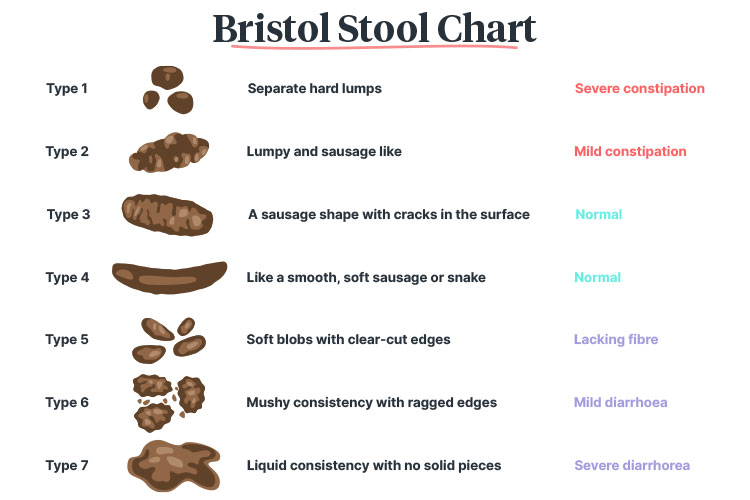
- Constipation: A common concern defined by irregular or difficult digestive tract movements. Diarrhea: Frequent loosened or watery feceses commonly triggered by infections or dietary changes. Irritable Bowel Disorder (IBS): A chronic condition affecting the huge intestinal tract, triggering cramping and changes in digestion.
Complex Bowel Care
What is Complicated Digestive tract Care?
Complex digestive tract treatment includes innovative techniques for taking care of severe cases where traditional techniques might fall short. This consists of patients with neurological problems affecting digestive tract feature or those recouping from major surgical treatments affecting their gastrointestinal systems.
NDIS Complex Bowel Care Training
Overview of NDIS Training Programs
The National Disability Insurance policy System (NDIS) offers specialized training programs made to outfit caregivers with the abilities required for effective complex bowel care management. This training covers topics such as:
- Understanding numerous digestive tract conditions Practical abilities in taking care of stomas Communication techniques with people pertaining to delicate topics
Stoma Treatment Training for Carers
Importance of Stoma Care
For people that have actually gone through ostomy procedures-- where a stoma is created to draw away waste-- appropriate stoma care ends up being necessary. Stoma care training for carers guarantees they are furnished to handle the distinct requirements of these patients effectively.
Key Elements of Stoma Care Training
Hygiene Practices: Understanding just how to cleanse and preserve the stoma area. Product Knowledge: Experience with various sorts of ostomy bags and supplies. Emotional Support: Supplying reassurance and attending to mental effect on patients.What is an Ostomy?
An ostomy is a surgical procedure that develops an opening (stoma) from an interior organ to the outside of the body for waste removal. Understanding what an ostomy entails helps caretakers recognize their functions better in giving support.
Caring for an Ostomy
Daily Regular for Ostomy Care
A structured everyday routine can greatly improve the experience of looking after somebody with an ostomy:
Regular Inspection: Checking the stoma site everyday for any type of signs of inflammation or infection. Changing Pouches: Complying with well established timelines based on product guidelines. Dietary Considerations: Recognizing foods that may trigger blockages or extreme gas.Complex Digestive tract Care Course Overview
Participating in a complex bowel care course enables health care specialists to boost their data base significantly. Such training courses normally cover:

- Assessment strategies Treatment options Patient-centered interaction techniques
Benefits of Comprehensive Educating Programs
Investing time in comprehensive training programs such as NDIS complex bowel care training yields diverse benefits:
Bowel Treatment Courses Available Today
Various companies supply programs tailored in the direction of specific demands in bowel care management:
Online platforms giving flexible learning environments. In-person workshops focusing on hands-on practice. Certification programs verifying know-how in the field.Understanding Stomas and Ostomies Further
What is a Stoma?
A stoma is just a surgical opening developed throughout an ostomy treatment, enabling waste product to leave the body safely.
What is Ostomy Care?
Ostomy treatment includes all tasks bordering the upkeep and administration of a stoma post-surgery, making sure hygiene and reducing pain while advertising dignity.
Techniques for Reliable Bowel Management
Implementing effective strategies can considerably boost patient comfort:
Establishing routine toileting schedules Utilizing proper nutritional modifications Engaging in exercise ideal for specific abilitiesChallenges Encountered by People with Complicated Digestive Tract Needs
Patients handling complicated digestive tract issues often confront numerous challenges:
- Physical pain because of irregularity Emotional distress originating from shame over signs Anxiety related to clinical treatments
Strategies for Overcoming Difficulties in Digestive Tract Management
To tackle these difficulties head-on calls for innovative strategies such as:
Open communication between caretakers and patients. Developing individualized plans customized to certain needs. Regular follow-ups to reassess conditions continuously.Frequently Asked Inquiries (FAQs)
1. What are some indications that I require professional assist with my bowels?
If you experience consistent discomfort, considerable adjustments in your stool uniformity, blood in your feces, or drastic weight-loss, it's recommended to seek clinical recommendations promptly.
2. How do I pick an excellent stoma bag?
Selecting an ideal stoma bag relies on variables like your way of life requires, skin level of sensitivity degrees, outcome consistency from your stoma, and individual preferences relating to aesthetics.
3. Will my diet adjustment after getting an ostomy?
Yes! While many foods stay acceptable http://garretthdam733.raidersfanteamshop.com/what-is-ostomy-care-specifying-ideal-practices-and-procedures post-surgery; some may cause obstructions or too much gas manufacturing; hence nutritional modifications are necessary.
4. Can I take part in sporting activities if I have an ostomy?
Yes! Numerous people lead energetic way of lives post-surgery by utilizing safety equipment especially made for those with ostomies while participating in sporting activities tasks safely.
5. Is emotional assistance vital when handling complex bowel issues?
Absolutely! Psychological health plays a significant function in overall health and wellness; for that reason accessibility to counseling services ought to be focused on alongside physical treatment options offered by healthcare professionals.
6. Exactly how often need to I change my stoma pouch?
The regularity mostly depends upon personal output levels; however most experts suggest changing pouches every 3-- 5 days unless or else shown based on individual situations discussed during consultatory appointments!
Conclusion
In conclusion, enhancing person comfort via reliable bowel care management techniques requires commitment from both caregivers and healthcare providers alike-- investing time into obtaining appropriate expertise by means of training courses like NDIS complex bowel care training & & stoma-care training enables them not just meet scientific requirements however also offer compassionate support important enhancing their costs' high quality life eventually changing experiences during periods vulnerability hence leading way in the direction of all natural recovery journeys ahead!